Table of Contents
Portable electronic products have become part of everyday life. From wireless headphones to rechargeable gadgets, people increasingly prefer devices that are compact and easy to carry. Disposable vape devices have also become part of this trend. However, their convenience raises an important question: what happens to these products after they are no longer usable?
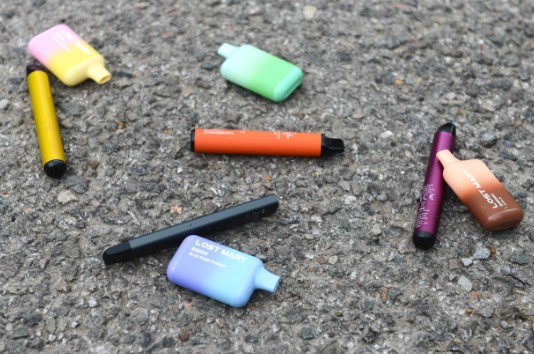
Unlike ordinary packaging, disposable vape devices contain several materials, including plastic, metal, electronic components, and lithium-ion batteries. When these products are thrown away incorrectly, they can contribute to electronic waste and create environmental concerns.
The problem is not limited to the device itself. Battery disposal, plastic waste, and the difficulty of separating internal components all make disposable vape waste a growing environmental challenge. Understanding these issues is an important step towards more responsible product manufacturing and waste management.
Why Disposable Vape Devices Create Environmental Challenges
1. Electronic Waste and Improper Disposal
One of the biggest environmental concerns associated with disposable vape devices is electronic waste. These products combine different materials in a small structure, making them difficult to process through ordinary recycling systems.
Many consumers may not realise that a disposable device contains a battery and electronic components. As a result, empty or unwanted devices can end up in household rubbish instead of being taken to an appropriate electronic waste collection facility.
This creates several problems:
- Batteries may be damaged during waste collection.
- Electronic components can be difficult to separate.
- Plastic housings add to long-term waste.
- Recoverable metals may be lost when devices are discarded.
- Improper disposal can increase the risk of battery-related fires.
For example, products such as North Vape devices should not automatically be treated like ordinary plastic packaging. Their electronic components require appropriate handling and disposal.
2. Plastic Waste and Battery Disposal
Plastic is widely used in consumer electronics because it is lightweight, affordable, and easy to shape. Disposable vape devices often use plastic in their outer casing and internal components.
The problem becomes more complicated when plastic is combined with metal parts and rechargeable batteries. Separating these materials requires suitable recycling processes and specialised facilities.
Lithium-ion batteries also need particular attention. If crushed, punctured, or exposed to unsuitable conditions, they can overheat and potentially cause fires.
Another concern is the environmental impact of discarded batteries. Poor waste management can allow hazardous materials to enter the environment.
Consumers should therefore avoid placing disposable electronic devices in regular recycling bins unless the local recycling provider specifically accepts them.
Understanding the Wider Impact and Possible Solutions
3. Product Variety and the Environmental Cost of Disposable Designs
The growth of product variety has changed the way manufacturers design and market consumer electronics. Different product specifications, colours, and flavour descriptions are often used to distinguish products in competitive markets.
Online searches for North Vape flavors show how product variety can become part of consumer interest. However, more product options can also mean more packaging, manufacturing materials, and electronic components entering the supply chain.
Similarly, discussions around Fifty Bar Vape flavors highlight another part of the disposable product market. Regardless of flavour or design, the environmental impact depends partly on the materials used, product lifespan, manufacturing processes, and disposal methods.
This is why environmental responsibility should be considered throughout a product’s life cycle rather than only when it reaches the waste stage.
Manufacturers can help by exploring:
- Reduced use of unnecessary plastic packaging.
- Easier separation of batteries and electronic components.
- More transparent material information.
- Better product collection and recycling arrangements.
- Responsible manufacturing and waste management practices.
These changes can help reduce unnecessary waste, although recycling alone cannot eliminate the environmental impact of disposable products.
4. How Consumers and Businesses Can Make a Difference
Environmental responsibility is not limited to manufacturers. Consumers, retailers, and waste management organisations all have a role to play.
A useful starting point is understanding how local electronic waste collection works. Different areas have different disposal rules, so consumers should check the instructions provided by local authorities or authorised recycling centres.
Here are some practical steps:
- Never throw disposable electronic devices into ordinary household waste when dedicated collection is available.
- Do not burn, crush, or dismantle devices to remove their batteries.
- Keep damaged or swollen batteries away from heat and follow local hazardous waste guidance.
- Use authorised electronic waste collection facilities.
- Encourage retailers to provide clear information about responsible disposal.
- Support manufacturers that offer transparent information about materials and waste management.
Businesses can also improve consumer awareness by displaying disposal instructions clearly on product packaging and websites.
Building a More Responsible Approach to Electronic Waste
The environmental challenges associated with disposable vape devices show that convenience comes with responsibilities. Small electronic products may look simple from the outside, but their internal batteries, metals, and plastic components require proper handling.
As consumer technology continues to develop, manufacturers should consider waste reduction and product design alongside appearance and functionality. Better material choices, improved collection systems, and clearer disposal information can all contribute to more responsible practices.
Consumers also need access to practical guidance so they understand why these products should not be treated like ordinary rubbish.
Ultimately, reducing electronic waste requires cooperation between manufacturers, retailers, consumers, and recycling organisations. The goal should be to minimise unnecessary waste, improve material recovery, and prevent electronic products from causing avoidable environmental damage.