Table of Contents
How Minimally Invasive Surgery Is Changing Recovery After Joint Injuries
How Minimally Invasive Surgery Is Changing Recovery After Joint InjuriesFor a long time, joint surgery came with a pretty grim package deal. Fix the injury, yes – but also expect weeks of pain, a significant scar, and a slow crawl back to anything resembling normal life. Minimally invasive surgery (MIS) has changed a lot of that. Smaller incisions, better imaging, and more precise instruments mean surgeons can get in, do the work, and leave the surrounding tissue mostly intact.
If you’re dealing with a knee, shoulder, or hip injury in Australia, knowing roughly how MIS works – and what recovery actually involves – puts you in a better position when it comes to weighing up your options.
What Is Minimally Invasive Surgery?
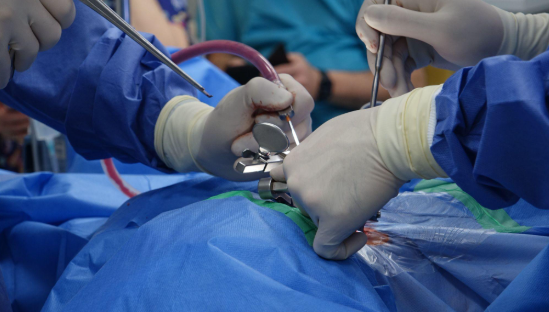
Rather than opening up a large section of the body to reach a joint, MIS uses a few small incisions. Through those, a surgeon inserts a thin camera called an arthroscope, plus whatever tools the procedure requires. Everything gets viewed on a monitor in real time.
The real difference from traditional open surgery isn’t just the incision size – it’s what doesn’t get cut. Instead of slicing through significant amounts of muscle and tissue to reach the joint, surgeons navigate more precisely to where the problem actually is. Less collateral damage.
Arthroscopy is the most common form of this, used regularly for knee, shoulder, and hip work. Endoscopic techniques come into play for certain spinal and tendon conditions. Hips, in particular, have seen a real shift – hip arthroscopy surgeons can now handle labral tears, impingement, and similar issues that used to mean open surgery.
What Are the Key Benefits of Minimally Invasive Joint Surgery?
The core advantage is simply less trauma. Smaller incisions mean less scarring. Less disruption to the muscle and tissue around the joint means the body has less to repair overall, which tends to make healing more straightforward.
Pain after the procedure is usually lower than with open surgery, and that’s not a coincidence – there’s just less damage to recover from. Smaller wounds also mean less opportunity for infection, which matters more than people often realise.
Blood loss is typically reduced as well. Put it all together, and you get a recovery that, for many patients, moves faster and feels more manageable. A lot of people are back to daily activities and light movement sooner than they’d expect going in.
What Does Recovery Look Like After MIS for Joint Injuries?
It depends on the joint, and on how serious the injury was. But there are common threads.
The first day or two usually involves some swelling and discomfort – normal stuff, managed with rest and pain relief. A lot of patients go home the same day.
The first month tends to follow a fairly steady arc. Early on, the priority is keeping swelling down and not stressing the joint. Somewhere around weeks two and three, light physio usually starts – basic range-of-motion work. By week four, many people are moving around well enough and beginning low-impact strengthening, though this depends on what their surgeon recommends.
Physical therapy runs through the whole process. Getting range of motion back, building strength around the joint, reintroducing load gradually – these are the benchmarks. Your surgeon and physiotherapist will set realistic targets based on how things are actually going, not just a fixed timeline.
Getting back to daily life often happens within a few weeks. Returning to sport or anything high-impact is a longer road – usually several months. But long-term outcomes are generally solid, with good joint function and fewer complications than you’d typically see following open surgery.
Making Informed Decisions About Joint Surgery
MIS has genuinely changed what recovery from a joint injury can look like. Less pain, faster healing, fewer complications – it’s not a minor upgrade. That said, it’s not the right approach for every injury or every patient.
If you’re working through your options, a conversation with a specialist is the most useful thing you can do. They can tell you whether MIS fits your situation and what recovery would realistically look like for you – which is worth knowing before you decide anything.