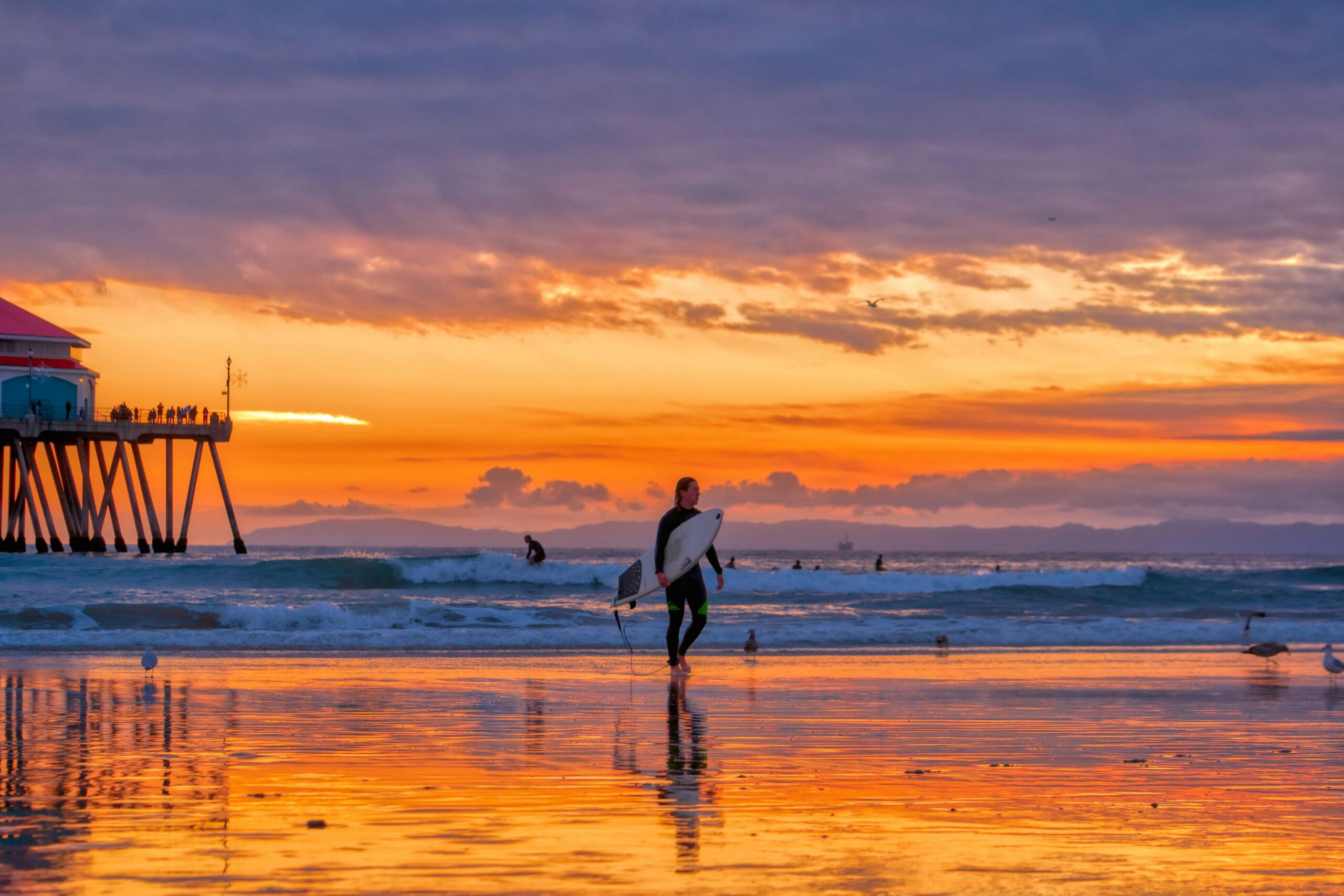
Orange County, California, can support almost any kind of food day, from a low-key bakery-and-beach outing to a reservation-centered celebration with a sunset finish. The key is resisting the urge to cross the entire county between every course. Start by browsing the best restaurants in Orange County, then choose a compact area that matches your appetite, budget, and pace. A successful food-focused day trip leaves room for more than eating. A short walk, a harbor view, a museum visit, or time spent browsing shops can make each stop feel more memorable. Build the day around one important meal, add two lighter stops, and preserve enough open time to enjoy an unexpected find.
Why Orange County Works for a Food Day Trip
Orange County offers distinct settings within a relatively broad area. Coastal communities create a natural backdrop for seafood, coffee, dessert, and evening walks. Central neighborhoods offer shopping, museums, and a wide variety of restaurants. Western and inland areas can be especially useful for casual international dining, family outings, and groups that value easier parking. That variety is an advantage only when the route stays realistic. A relaxed itinerary is usually better than an ambitious food crawl. Three thoughtfully chosen stops give everyone time to order, talk, walk, and decide whether another snack is actually appealing. The goal is not to check off the most restaurants. It is to create a satisfying day that feels like Orange County rather than a series of rushed car rides.
Step 1: Pick One Orange County Dining Zone
Choose a central base before selecting individual restaurants. A short route protects the experience from traffic delays and makes it easier to adjust plans if a waitlist runs long.
- Coastal route:Build around beach paths, harbor areas, ocean views, and a sunset stop.
- Central route:Combine restaurants with shopping districts, downtown streets, galleries, or museums.
- Western route:Focus on casual meals, shareable dishes, and varied international flavors.
- Inland route:Favor flexible schedules, larger groups, family-friendly activities, and straightforward parking.
Step 2: Choose the Mood for the Day
A clear purpose keeps the itinerary from becoming a random list of places. Decide what the group wants before booking anything.
- Casual food crawl:Shared plates, snacks, drinks, and dessert.
- Coastal dining day:A scenic meal paired with a pier, beach, or harbor walk.
- Family outing:Quick service, flexible menus, restrooms, and nearby open space.
- Date day:Coffee, browsing, art, a slower dinner, and a little unplanned time.
- Budget day:Lunch specials, counter service, food halls, and free outdoor activities.
- Solo food day:Cafes, bakeries, counter seating, bookstores, and people-watching.
Step 3: Build Around One Main Meal
The main meal should shape the entire schedule. It may be a lunch reservation that frees up the evening, or a dinner reservation that gives the day a celebratory finish. Check menus before leaving home for dietary needs, vegetarian choices, child-friendly options, portion sizes, and whether dishes are easy to share.
A Practical Three-Stop Food Plan
- Morning stop:Coffee, fruit, pastries, or a light breakfast.
- Midday stop:The anchor meal, with enough time to relax rather than rush.
- Afternoon stop:Dessert, tea, a snack, or a shared small plate.
A fourth stop should remain optional. If the group still has energy, it can become a late dinner, cocktail, or take-home treat. Otherwise, the extra time becomes part of the day’s appeal.
Pair Meals With Activities
Food feels more rewarding when it is connected to a place. Follow a coastal lunch with a beach walk, browse local shops after a downtown meal, or schedule a park break between courses. When choosing an outdoor stop, review the relevant park rules and visitor expectations before arriving, especially if children or dogs are part of the plan.
Plan Around Events and Seasonal Dining
Restaurant weeks, night markets, festivals, and special menus can provide an easy theme for the day. Review the full menu before booking, not just the advertised price. Confirm what is included, consider parking and drinks, and ensure the restaurant accommodates the group’s dietary needs and preferred timing. Seasonal events work best as a starting point, not as a reason to overpack the schedule.
Set a Realistic Budget
Include food, drinks, tax, gratuity, parking, rideshare costs, tolls, and activity tickets in the day’s total. A value plan might mean one casual meal, shared snacks, and a free walk. A balanced plan can include one full-service meal, one casual stop, and dessert. For a special occasion, make dinner the splurge and keep earlier stops light.
Account for Traffic, Parking, and Wait Times
Build extra time into weekend and evening plans. Check parking information, reservation policies, and current hours on the day of the trip. If the route depends on driving, use regional travel updates and trip-planning tools before departure. Save one backup restaurant within the same neighborhood so a long wait does not derail the day.
Make the Itinerary Work for Your Group
Families
Choose short travel times, flexible menus, easy parking, and breaks between meals.
Couples
Reserve the most memorable meal, then add a scenic walk or quiet activity with time for spontaneity.
Friends and Solo Diners
Friends should agree on a budget before booking and choose shareable menus. Solo diners may prefer cafes, bakeries, bar seating, and routes that minimize constant driving.
Sample One-Day Schedule
- 9:00 a.m.:Coffee and a light breakfast.
- 10:30 a.m.:Beach walk, park visit, market, or neighborhood stroll.
- 12:30 p.m.:Main lunch with shared dishes.
- 2:30 p.m.:Shopping, sightseeing, or a quiet break.
- 4:00 p.m.:Dessert, tea, or a small snack.
- 6:30 p.m.:Optional dinner, sunset stop, or trip home.
Final Planning Checklist
- Choose one main area and one food theme.
- Book the anchor meal and confirm current details.
- Set a total budget, including transportation.
- Plan one non-food activity and one backup option.
- Leave part of the day open for a detour or discovery.
Common Questions About Orange County Food Day Trips
How many restaurants should be included?
For most people, two main food stops and one lighter stop are enough. More stops can make the day feel rushed.
Should the main meal be lunch or dinner?
Lunch often offers more flexibility for families and casual outings. Dinner can suit dates, celebrations, and slower evenings.
What if a restaurant is too busy?
Join the waitlist, move to a nearby backup, shift the mealtime, or turn the delay into a walk or a coffee break.
Conclusion
The best Orange County food day trip is not the one with the longest list of reservations. Choose one area, decide on a mood, make one meal matter, and leave room for the coast, neighborhoods, and small moments between bites. A simple plan can make the day easier without taking away the freedom to explore. Check restaurant hours, parking, reservation requirements, and travel time before you go, especially if you plan to visit during a busy weekend. Leave some space for coffee, dessert, a market, or a casual stop that catches your attention along the way. The goal is to enjoy good food while still experiencing the places around it, rather than spending the entire day watching the clock and rushing to the next reservation.