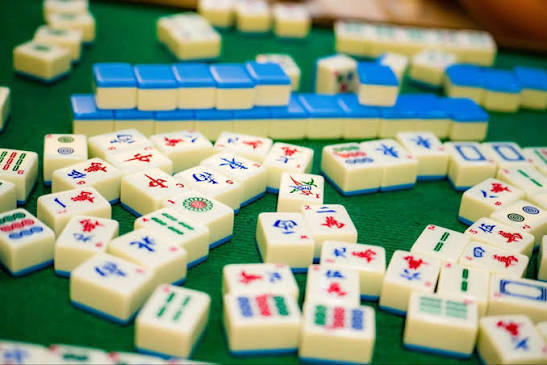
Mahjong has remained an important part of Asian gaming culture for generations. Recognized for its distinctive tiles, structured rules, and emphasis on pattern recognition, the traditional game has developed alongside changes in society and technology. Its transition into digital entertainment illustrates how familiar cultural elements can be adapted to new formats while preserving aspects of their original identity. Understanding this evolution requires examining the game’s history, the influence of modern technology, and the changing expectations of contemporary audiences.
The Historical Foundations of Mahjong
Traditional Mahjong originated in China during the nineteenth century and gradually spread to other parts of Asia and beyond. Although different regions developed their own rules and playing styles, the game generally revolves around collecting and arranging tiles into specific combinations. Players must observe available tiles, evaluate their options, and adjust their decisions as the round progresses.
The physical nature of traditional Mahjong contributes significantly to its appeal. Participants handle individual tiles, observe the actions of other players, and communicate throughout the game. These interactions create a social experience that extends beyond the rules themselves.
Over time, regional variations introduced different scoring systems, tile arrangements, and approaches to strategy. Despite these differences, recognizable symbols and structured gameplay remained central to Mahjong’s identity. These established characteristics later provided a foundation for digital adaptations.
The Influence of Digital Technology
The development of computer software and mobile applications changed how people access traditional games. Activities that once required physical equipment and a dedicated playing environment could increasingly be experienced through electronic devices.
Digital Mahjong implementations reproduce tile designs through graphical interfaces, allowing software to manage scoring, organize turns, and display relevant information automatically. These functions reduce the administrative work associated with traditional play while making certain versions accessible to individuals who do not have a complete set of physical tiles.
Interface design has also become an important consideration. Clear symbols, readable text, responsive controls, and consistent visual layouts help users understand game mechanics across different screen sizes. On smartphones, developers must pay particular attention to spacing and touch controls because smaller displays can make detailed tile arrangements more difficult to navigate.
Nevertheless, digital convenience does not completely replace the social qualities of traditional Mahjong. Physical games continue to offer direct interaction, shared experiences, and opportunities to develop interpersonal skills through face-to-face participation.
Adapting Traditional Symbols for Modern Entertainment
One notable development is Slot Mahjong, which uses familiar tile imagery within a digital slot-style format rather than reproducing the complete rules of conventional Mahjong. This distinction demonstrates how cultural references can inspire entertainment products that operate according to different mechanics.
In traditional Mahjong, outcomes depend on tile selection, hand development, and decisions made during a round. Slot-style adaptations generally rely on predefined software systems and game-specific outcome mechanisms. Although both formats may share visual elements, their underlying structures and player experiences are fundamentally different.
The adaptation process involves more than transferring physical symbols onto a screen. Developers must consider animation timing, visual hierarchy, sound design, and the clarity of interactive elements. Symbols need to remain distinguishable, while transitions should communicate changes without creating unnecessary confusion.
These design principles apply broadly to digital entertainment. Familiar imagery can establish visual recognition, but the overall experience still depends on how effectively the interface communicates information and supports user interaction.
Contemporary Visual Design and Gameplay Presentation
Modern Mahjong-inspired games often combine traditional motifs with contemporary graphic techniques. Detailed backgrounds, animated symbols, layered visual effects, and synchronized audio can create a presentation that differs considerably from the restrained appearance of physical tiles.
Mahjong Ways illustrates how Mahjong-related visual elements can be incorporated into a modern digital gaming format. Its design reflects a wider industry practice in which recognizable cultural imagery is combined with software-driven mechanics and screen-based interaction.
Such adaptations also demonstrate the importance of distinguishing aesthetic similarity from gameplay equivalence. A digital title may feature familiar tiles and decorative references without preserving the strategic rules of traditional Mahjong. Recognizing this difference provides a clearer understanding of how cultural themes are used across entertainment categories.
From a technical perspective, visual effects must remain compatible with device performance. Excessive animation can increase processing demands, while poorly arranged interface elements may reduce readability. Effective design therefore requires balancing visual detail with responsiveness, accessibility, and consistent performance.
Mobile Accessibility and Changing User Expectations
Mobile devices have expanded access to digital games by allowing people to interact with entertainment software in different environments. Touchscreen controls, adjustable audio settings, and interfaces designed for smaller displays have become common considerations in contemporary development.
Accessibility also involves more than device compatibility. Clear instructions, readable typography, understandable menus, and support for different interaction preferences can help users navigate software more effectively. Developers must consider these factors throughout the design process rather than treating them as optional additions.
Another important consideration is transparency. Digital products should communicate their rules, explain relevant mechanics, and provide clear information about any financial features. Where games involve wagering, users should also understand the associated risks and recognize that previous outcomes do not guarantee future results.
Cultural Continuity in a Changing Digital Landscape
The evolution of Mahjong reflects the broader relationship between cultural heritage and technological innovation. Traditional play continues to preserve its social and strategic characteristics, while digital interpretations explore new methods of presentation and interaction.
As software capabilities advance, developers can introduce more adaptable interfaces, improved visual clarity, and features that accommodate a wider range of devices. At the same time, understanding Mahjong’s historical foundations remains important when evaluating how accurately modern adaptations represent the original tradition.