Table of Contents
A serious crash can leave more than bruises and broken bones. Some injuries heal with time, but others leave permanent scars that serve as a daily reminder of the collision. These marks can affect how you look, how you feel, and how you live.
The good news is that you can pursue compensation for car accident scars through a personal injury claim. Here is what to know before you file.
What Compensation Is Available for Car Accident Scars?
When another driver’s negligence causes your injuries, that driver is generally responsible for the resulting damages. These can include both economic and non-economic losses.
Common categories of recovery include:
- Medical expenses: Emergency care, reconstructive surgery, dermatological treatment, physical therapy, and counseling
- Lost wages: Income missed during recovery and medical appointments
- Reduced earning capacity: Career limits caused by functional problems or by visible scarring
- Pain and suffering: Physical pain and emotional distress
- Loss of enjoyment of life: Hobbies, social activities, and relationships that suffer
- Out-of-pocket costs: Specialist travel, special clothing, or makeup to conceal scars
Factors That Affect the Value of a Scarring Claim
No two scarring claims are alike. Several factors shape what a fair settlement looks like.
- Age and life expectancy. A younger victim may live with a scar for decades, which can justify a higher award.
- Location and visibility. Scars on the face, neck, and hands generally carry more value than those in less visible areas.
- Size and severity. Large scars, or scars that cause tightness or itching, may warrant greater compensation.
- Past and future care. Documented surgeries, ongoing therapy, and projected procedures like laser treatments strengthen a claim.
- Emotional impact. Records of therapy or psychiatric evaluations can show anxiety, depression, or PTSD linked to disfigurement.
Insurance adjusters often undervalue these details to keep payouts low. Strong documentation is the best way to push back.
Common Causes of Disfiguring Scars
Scars can form anywhere on the body, but some crash scenarios are especially likely to leave permanent marks:
- Striking the steering wheel, dashboard, or window
- Broken glass and metal debris cutting into soft tissue
- Burns from fires, hot engine parts, or spilled fluids
- Being thrown from the vehicle
- Pedestrian and bicycle collisions with pavement or a vehicle
Facial scars are among the most distressing. Scar tissue near the eyes, mouth, or nose can interfere with blinking, speaking, or breathing.
Common Types of Scars After a Crash
Knowing the type of scar matters for both treatment and claim value.
Keloid and Hypertrophic Scars
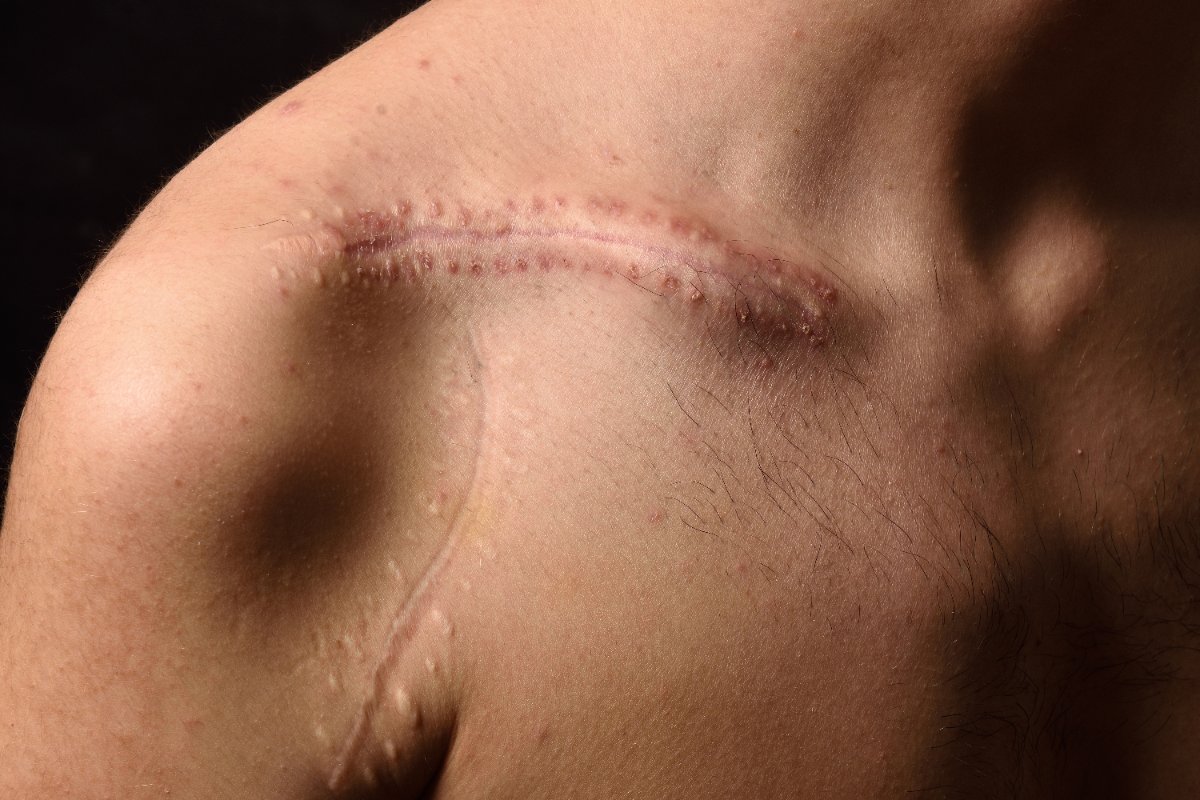
Keloid scars are thick, raised, and extend past the original wound. They can itch, hurt, and grow back after removal. Hypertrophic scars are also raised and red, but they stay within the wound area and may fade over time.
Contracture Scars
These come from deep burns. The skin pulls together as it heals, which can limit movement, especially across joints. Multiple surgeries are often needed.
Pigmentation Changes
Hyperpigmentation leaves skin darker than the surrounding area. Hypopigmentation leaves it lighter because of lost melanin. Both can be long-lasting.
The Physical and Emotional Toll of Permanent Scarring
The law recognizes that harm goes beyond the visible mark. Scars can cause chronic pain, burning sensations, and changes in touch sensitivity. They can also limit mobility.
The emotional effects are just as real. Many survivors experience anxiety, depression, and lower self-worth. Some avoid social settings or feel self-conscious at work. These impacts may be recoverable as non-economic damages.
How a Lawyer Can Help Maximize Your Recovery
Insurance companies often downplay scarring and ignore the psychological harm behind it. An experienced attorney can help by:
- Investigating the crash and preserving evidence
- Arranging evaluations with dermatologists, plastic surgeons, and mental health professionals
- Working with experts to project future medical needs and costs
- Negotiating firmly and rejecting lowball offers
- Preparing for trial if a fair settlement is not offered
Steps to Take After a Crash
If you are living with scars from a collision, acting early protects your claim.
- Document everything. Keep records of treatment, therapy, and how your injuries affect daily life.
- Get prompt medical care. Even minor scars deserve early attention, and records link your injuries to the crash.
- Preserve evidence. Save photos, witness contacts, and the other driver’s insurance details.
- Be careful with insurers. Avoid recorded statements and early settlement offers.
- Watch the deadline. In California, you generally have two years from the date of injury to file a personal injury lawsuit.
- Talk to a lawyer. Choose a firm with experience in disfigurement and permanent injury claims.
Find Legal Help Near You
Scars are more than skin deep. If negligence left you with lasting marks, you deserve more than a quick, low settlement.
An experienced car accident lawyer can review your case and explain your options. You can also view the full list of office locations to find a team near you.
Most personal injury firms offer free consultations and work on contingency, so you pay nothing unless you recover compensation. Reach out today to take the first step toward healing, both physically and financially.