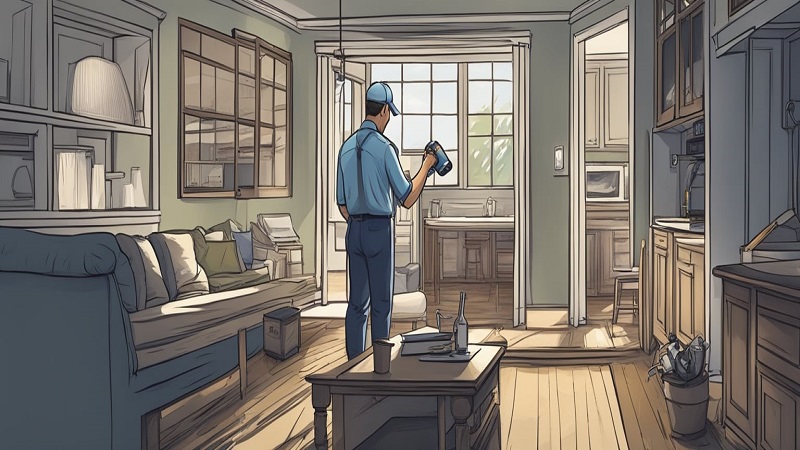
Buying a home is a significant investment, and a thorough inspection is crucial to ensure you’re making an informed decision. Selecting the right home inspector can make all the difference in uncovering potential issues and providing peace of mind during the real estate transaction process.
In addition to evaluating structural integrity and electrical systems, a comprehensive home inspection should also consider environmental factors that could affect your property. One crucial aspect is assessing the need for radon mitigation, which ensures that any harmful radon gas levels are addressed promptly. This step is vital for maintaining a safe and healthy living environment, protecting both your investment and the well-being of your family.
When selecting a home inspector, it’s crucial to ensure they have expertise in identifying structural issues, as these can lead to costly repairs if overlooked. A thorough inspection should include an assessment of the property’s foundation, as this is a critical component of the home’s stability. If any issues are detected, it’s advisable to consult a specialist in Foundation Repair to address potential problems before they escalate.
A qualified home inspector will thoroughly examine the property’s structure, systems, and components, providing valuable insights into its condition. This information helps buyers understand the true state of the home and can be used to negotiate repairs or price adjustments if necessary.
When choosing a home inspector, consider their qualifications, experience, and reputation. Look for inspectors who are licensed, certified, and affiliated with professional organizations. Reading reviews and asking for recommendations from trusted sources can help identify trustworthy inspectors who will provide a comprehensive and unbiased assessment of the property.
Selecting a qualified home inspector is essential to avoid potential issues in hidden systems like plumbing. For residents in need of skilled plumbing services, follow this link to Sarkinen Plumbing, where licensed professionals offer a range of plumbing solutions, from inspections to repairs. Ensuring proper care for plumbing systems can prevent costly future repairs, enhancing overall property value and safety.
Identifying Qualified Home Inspectors
Finding a competent home inspector requires evaluating several key factors. These include professional certifications, ongoing education, relevant experience, and industry affiliations.
Certifications and Credentials
Home inspector certifications demonstrate a commitment to professional standards. The American Society of Home Inspectors (ASHI) and International Association of Certified Home Inspectors (InterNACHI) offer respected credentials.
ASHI Certified Inspectors must pass rigorous exams and complete over 250 inspections. InterNACHI Certified Professional Inspectors undergo extensive online training and testing.
State licensing requirements vary. Some states mandate specific certifications or training hours. Others have no formal licensing process. Homebuyers should research local regulations to understand minimum qualifications.
Education and Ongoing Training
Quality inspectors pursue continuous learning to stay current with building codes and inspection techniques. Many complete annual continuing education courses.
Professional organizations often require members to fulfill yearly training quotas. This ensures inspectors remain knowledgeable about evolving construction methods and safety standards.
Specialized courses cover topics like mold assessment, radon testing, and energy efficiency. These additional qualifications can be valuable for certain properties.
Experience and Specializations
An inspector’s background influences their expertise. Former contractors may have in-depth knowledge of construction practices. Engineers might excel at evaluating structural issues.
The number of inspections completed is a key indicator of experience. Seasoned professionals typically perform hundreds of inspections annually.
Some inspectors develop specialties in areas like historic homes, new construction, or commercial properties. This focused experience can be beneficial for specific inspection needs.
Professional Affiliations
Membership in industry organizations signals a commitment to ethical practices. ASHI and InterNACHI both require adherence to strict codes of ethics.
These associations provide resources, training, and networking opportunities for members. They also offer public directories to help homebuyers find qualified inspectors.
Local real estate boards or chambers of commerce may have inspector referral programs. These can be useful for identifying reputable professionals in a specific area.
What to Expect from Your Home Inspection
A comprehensive home inspection provides valuable insights into a property’s condition. It covers major systems and components, identifying potential issues and maintenance needs.
Comprehensive Inspection Coverage
Home inspectors examine key areas of the property. This includes the roof, foundation, plumbing, electrical systems, heating and cooling units, attic, and basement. They assess the condition of walls, floors, windows, and doors. Inspectors also look for safety hazards, such as faulty wiring or unstable structures.
The inspection process typically takes 2-4 hours, depending on the property size. Inspectors use specialized tools and techniques to evaluate hidden issues. They may use moisture meters to detect water damage or thermal imaging cameras to identify insulation problems.
Buyers are encouraged to attend the inspection. This allows for direct communication with the inspector and a better understanding of the property’s condition.
Understanding the Inspection Report
The inspection report provides a detailed account of the property’s condition. It includes descriptions of each inspected area and any identified issues. Reports often feature photographs to illustrate problems or areas of concern.
Most reports categorize findings into:
- Safety hazards
- Major defects
- Minor defects
- Maintenance recommendations
Inspectors use clear, concise language to explain technical issues. They may provide estimates of remaining lifespans for major systems like the roof or furnace.
Some inspectors offer sample reports on their websites. Reviewing these can help set expectations for the actual inspection report.
Additional Inspections and Services
Standard home inspections may not cover certain specialized areas. Homebuyers might consider additional services such as:
- Radon testing
- Termite inspections
- Mold assessments
- Asbestos testing
- Lead paint testing
These specialized inspections often require specific expertise or equipment. They can provide crucial information about potential health hazards or costly repairs.
Some inspectors offer these services in-house, while others may recommend trusted specialists. It’s important to discuss any concerns with the inspector before the appointment.
Post-Inspection Support
Quality inspectors provide support after delivering the report. They often offer:
- Phone consultations to clarify report findings
- Answers to follow-up questions
- Advice on prioritizing repairs
- Recommendations for qualified contractors
Some inspectors provide maintenance checklists or guides. These resources help homeowners address minor issues and maintain their property effectively.
Reputable inspectors stand behind their work. They welcome questions and aim to ensure clients fully understand the inspection results.