Table of Contents
HMDD Collaborations and Their Significance for the Brand’s Identity
HMDD, short for Happy Memories Don’t Die, has built its name on a philosophy rather than a logo. The brand treats clothing as a vessel for nostalgia, and every collaboration it enters becomes a test of whether that idea can survive contact with another creative voice. When two brands merge visions, one of them usually bends. With HMDD, the bending tends to happen carefully, because the phrase “happy memories don’t die” is not just a tagline — it is the entire reason customers return. Collaborations force the label to answer a harder question than “what does this look like?” It has to answer “does this still feel like us?” That tension is exactly why HMDD’s partnerships matter more than a typical streetwear crossover.
Most fashion joint projects are built to borrow attention. A smaller label joins forces with a bigger name, sees a surge in traffic, and calls it done. The way HMDD operates feels different in reality. The label typically pick partners who from the outset share an emotional register — wistful, nostalgia-fueled, subtly defiant — rather than going after whichever name is making the most noise. Thanks to this careful curation, the identity stays coherent across releases — and it’s worth examining one element at a time.
Explaining Why Collaborations Function as a Brand-Identity Pressure Test
Safeguarding a label’s identity works best when it operates without partners. Every material decision, each print arrangement, every fit call falls under a single team’s oversight. The instant a new creative partner comes aboard, compromises start piling up. HMDD clothing has built recognition around specific signals: distressed graphics, oversized silhouettes, and text treatments that reference memory, loss, and time. An outside collaborator favoring a more polished, commercial style could readily water down those signals into something blander.
It is here that holding back becomes a deliberate edge. Commentary and testimonials out of the HMDDLA community consistently point out that partnership drops retain its essential visual identity — the same weight of fabric, the same worn-in printing technique, the same evocative naming on tags and packaging inserts. Such https://hmdds.com/ consistency doesn’t happen by chance. It points to an unspoken guideline: collaborators may shape palette or cut, but the emotional throughline remains unaltered.
Consider the alternative. If HMDD released a collab hoodie with bright, glossy branding and zero reference to its usual themes, longtime buyers would notice within seconds. The brand’s audience isn’t drawn in by trend-chasing; they’re drawn in by specificity. A single misstep — one collection that feels like merchandise rather than memory — could cost more trust than any short-term sales bump would repay.
Collaborations Show The Truth About What HMDD’s Own Creative Approach Really Means
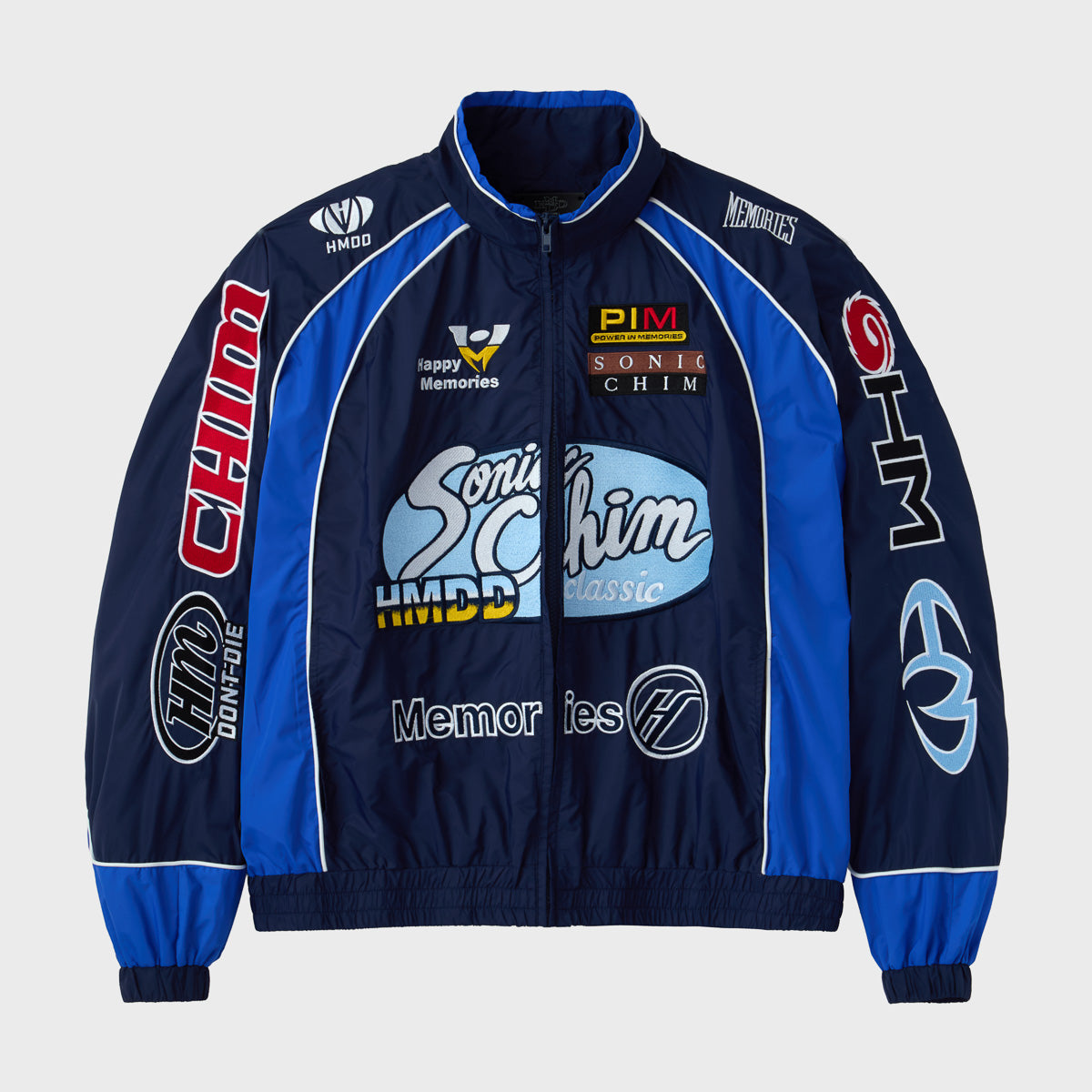
Each joint release acts like a spotlight on creative patterns that might under other circumstances go overlooked. When HMDD works with an outside partner, a few recurring traits resurface across almost every drop: substantial cotton bases (typically in the 280–400 GSM range for hoodies and sweatshirts), oversized boxy cuts, and hand-distressed or overdyed finishes that lend each piece a lived-in quality instead of a brand-new one. HMDD sweatpants in particular showcase this pattern — a loose taper, elasticated rib endings, and a fabric hand-feel that leans toward softness over crisp shaping.
The same reasoning carries over to HMDD shorts. Rather than letting shorts play second fiddle, the brand extends the identical aging treatments and type treatments seen across outerwear pieces, so that a full seasonal drop read as unified rather than scattered. This cross-category coherence — hoodies, sweatpants, shorts, tees — helps explain why shoppers specifically look up “best hmdd clothing” rather than settling for a generic streetwear substitute.
- Material density stays thick and solid, even in summer-suited pieces like shorts.
- Typography relies on scrawled or weathered-stencil styles instead of minimal sans-serif branding.
- Color palettes lean toward muted blacks, washed greys, and subdued natural tones over vivid colors.
- Visuals nod to memory, time, and impermanence instead of pure logo placement.
Once an outside partner steps into this space, the expectation is that they speak HMDD’s visual language rather than impose their own. That’s a harder ask than it sounds, and that’s the reason not every pitched collaboration ends up released.
The Business Logic Behind Selective Partnerships
Streetwear economics prize rarity and penalize excess visibility. A brand that collaborates with everyone ends up standing out with none of them. HMDD’s release cadence appears to favor limited quantities and infrequent collaboration drops instead of a nonstop flow of co-branded goods. That pacing does two things at once: it preserves the feeling of exclusivity, and it allows the design team the time needed to ensure every partnership remains clearly identifiable as HMDD.
Worth noting too is the pricing strategy at play. Joint-release garments in streetwear tend to command a markup over standard stock — frequently 15–30% above baseline — due to greater manufacturing complexity, smaller runs, or co-branding expenses. Customers researching an “hmdd review” before buying often flag price-to-quality ratio as a deciding factor, so any collaboration that raises price without raising perceived craftsmanship risks backlash rather than praise.
Because of this the smartest fashion partnerships function less like marketing stunts and more like joint R&D projects. The two sides merge their approaches — maybe one contributes a dye process, the other contributes a silhouette — and the result should feel earned rather than slapped together. When that balance works, each fanbase ends up embracing the other label. Should it fall short, neither group of followers feels prioritized.
Comparing Collaboration Approaches
To understand where HMDD positions itself against conventional streetwear collaboration approaches, it helps to compare a few widely-used tactics applied across the industry in 2026. The table below lays out three overarching collaboration styles seen in the wider streetwear scene, independent of specific named partners.
| Collaboration Style | Main Objective | Standard Batch Size | Danger to Brand Voice |
|---|---|---|---|
| Repeated co-branding | Maximize exposure and attention | Sizable, ongoing batches | Elevated — identity erodes with overexposure |
| Single hype drop | Brief sales surge | Extremely scarce, single run | Moderate — impact dissipates once trend passes |
| Selective, ethos-matching partnership (HMDD’s typical pattern) | Strengthen core identity while connecting with adjacent audiences | Restrained, rare | Low — partner conforms to brand language rather than overriding it |
That bottom row is the one that best describes how HMDD operates. The label seems uninterested in crowding its drop schedule with collaborative product. Instead, each partnership looks crafted to answer a specific creative question — a new fabric treatment, an unexplored color direction, a fresh take on distressing — while leaving the sentimental center of “happy memories don’t die” wholly undisturbed.
What This Means for Shoppers in 2026
For anyone comparing HMDD against other emerging streetwear labels this year, collaborations offer a valuable litmus test. Should a collaborative piece still come across as clearly HMDD — same fabric weight, same worn typography, same emotional resonance — that’s a strong signal the brand’s identity is solid enough to survive growth. Should upcoming releases begin to feel indistinguishable regardless of the partner involved, that would be a warning sign worth keeping an eye on.
Anyone looking into HMDD sweatpants, HMDD shorts, or a collaboration release should pay attention to a few useful details before buying: fabric weight noted within the product description, whether sizing runs true-to-size or oversized by design, and whether the piece is part of a serialized or limited run. These details matter more in collaboration releases than in standard catalog drops, since collaboration pricing generally lands higher and expectations climb accordingly.
At the end of the day, HMDD’s collaborations serve as identity checkpoints rather than pure marketing events. Each one asks whether the brand can grow its reach without losing the specific, memory-driven mood that built its following in the first place. Thus far, the trend hints at a brand prioritizing the protection of its voice over chasing all available attention — and for a label built wholly around emotional resonance, that self-control may be its most valuable asset heading further into 2026.