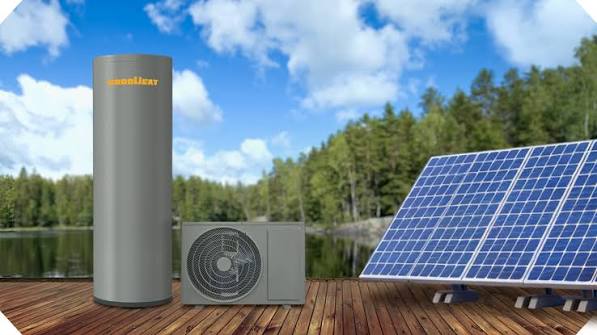
Heating large volumes of water can be one of the biggest energy expenses for commercial and institutional facilities. While traditional water heaters rely heavily on electricity to generate heat, heat pump water heaters offer a more energy-efficient approach. While heat pumps are designed to deliver hot water efficiently, pairing them with solar power can further enhance their performance and cost-effectiveness.
How Does a Heat Pump Water Heater Work?
Unlike conventional water heaters that directly convert electricity into heat, a heat pump water heater transfers heat from the surrounding air to the water. This means it can heat water while using less electricity than traditional electric heating systems.
The system uses a heat pump to absorb available heat from the air and transfer it to the water stored in the tank. Because it moves heat rather than generating it entirely from electricity, it can help reduce energy consumption over time.
Why Pair a Heat Pump with Solar Power?
For hotels, hospitals, manufacturing facilities, educational institutions, commercial buildings, and large residential developments, hot water is a daily operational necessity, and often a major contributor to energy costs. While heat pumps are already known for their energy-efficient water heating capabilities, pairing them with solar power can unlock even greater savings and sustainability benefits.
Together, these technologies create a powerful solution that helps organisations optimise energy consumption, reduce dependence on grid electricity, and lower long-term operating costs. Here are some of the key reasons why this combination is gaining popularity.
- Reduced Operating Costs
Water heating can account for a significant portion of a facility’s energy expenditure. By generating electricity through solar panels and using it to power a highly efficient heat pump, organisations can substantially reduce the cost of producing hot water.
Unlike conventional water heating systems that generate heat directly, heat pumps transfer existing heat from the surrounding air, allowing them to deliver more heating energy for every unit of electricity consumed. When that electricity comes from solar power, the cost savings can become even more significant over the system’s lifetime.
2. Better Utilisation of Solar Power
Solar panels typically generate the most electricity during daylight hours, often when commercial facilities are not operating at peak energy demand. Integrating a heat pump water heating system allows businesses to put more of this on-site solar energy to productive use instead of relying solely on grid power for water heating.
By aligning heat pump operation with periods of high solar generation, facilities can increase the use of self-generated renewable energy, improve overall system efficiency, and maximise the return on their solar investment.
- Lower Carbon Emissions
Organisations are increasingly looking for ways to meet sustainability goals and reduce their environmental footprint. Combining solar power with heat pump technology creates a cleaner water heating solution by reducing both electricity consumption and dependence on fossil-fuel-based energy sources.
- Greater Protection Against Rising Energy Prices
Electricity costs can fluctuate over time, impacting operating budgets. By producing a portion of the energy required for water heating through solar panels, facilities can reduce their exposure to future utility price increases. This added energy resilience makes the heat pump and solar combination an attractive long-term investment for organisations seeking predictable operating costs and improved energy security.
Conclusion
Before investing in a heat pump and solar power system, it is important to evaluate your facility’s hot water demand, available space for solar panel installation, and local climate conditions. Factors such as occupancy levels, operating hours, and seasonal variations in hot water usage can also influence the system’s performance and return on investment.
For hotels, hospitals, educational institutions, industrial facilities, and commercial buildings with consistent hot water requirements, combining heat pumps with solar power can deliver significant long-term energy savings. To maximise efficiency and system lifespan, it is essential to select equipment with the appropriate capacity and work with experienced professionals for system design and installation.