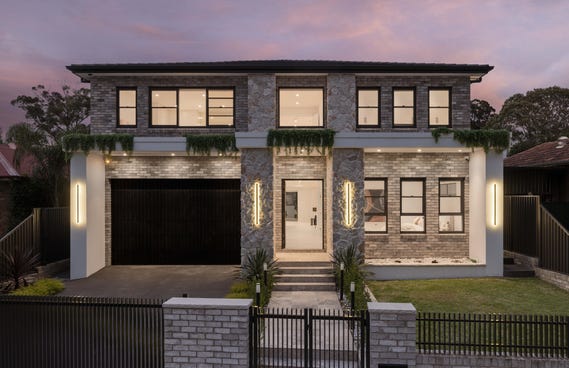
A first open home often answers a simple question: could you imagine living here? A second visit asks a more useful one: does the property still make sense after the initial impression has faded? In Merrylands, as anywhere, a tidy presentation and a sunny inspection window can make it easy to overlook details that matter in daily life. Returning with a short list of questions helps you assess the home on its own merits, rather than relying on memory or comparing photographs.
See whether your first impression holds up
Before you walk in, write down what you liked and what concerned you after the first visit. Perhaps the living room felt generous, but you were unsure where a dining table would go. Perhaps the garden looked appealing, but you did not notice how much shade it received. On your second visit, test those impressions against what is actually there.
Try to walk through at an ordinary pace instead of following the flow of other visitors. Notice which rooms you naturally want to spend time in and which ones require an explanation to feel workable. A second inspection will not reveal everything about a home, but it can distinguish a lasting preference from the excitement of finding a property within your search area.
Check light, noise and the surrounding street
If possible, attend at a different time of day. Morning light can make a room feel quite different from afternoon light, and a quiet street during one inspection may be busier at another. Stand in the main bedroom, living area and outdoor space for a moment without talking. Can you hear traffic, neighbouring activity or equipment? Are those sounds noticeable with the windows open as well as closed?
Look beyond the property boundary, too. Observe where neighbouring windows face, how exposed the outdoor area feels and whether trees or nearby buildings affect light. None of these details is automatically a drawback; their importance depends on how you intend to use the space. If a particular concern depends on conditions you cannot observe during the inspection, make a note to investigate it rather than assuming the visit has settled the question.
Test the layout against a normal week
At a first open home, it is easy to think in broad labels: three bedrooms, a separate kitchen, a place to park. On the return visit, think through a typical weekday. Where would bags and shoes go when you arrive? Could two people use the kitchen without getting in each other’s way? Is there a practical spot for a desk, laundry basket or pram if you need one?
Bring measurements of any furniture that is difficult or expensive to replace. Check doorways, hallways and likely furniture positions rather than relying on the apparent size of an empty room. Also consider what cannot easily change. Paint and fittings may be straightforward to update; the position of windows, stairs and load-bearing walls is another matter. If alterations are central to your plans, seek appropriate advice before treating them as feasible.
Look more closely at condition and upkeep
A second visit gives you permission to slow down and look at less photogenic areas. Examine ceilings and walls for staining or cracking, check whether doors and windows appear to open and close properly, and look at ventilation in bathrooms and the laundry. Notice the condition of exterior surfaces, gutters and any visible drainage points. These observations are prompts for questions, not diagnoses: a mark on a wall does not, by itself, establish its cause or repair cost.
Ask the selling agent what is known about recent work and what documentation is available. If you remain interested, consider an independent building and pest inspection suited to the property. An inspector can assess issues you may miss and explain the limits of what could be checked. The aim is not to find a home without imperfections, but to understand which ones you may be taking on.
Match the property to its paperwork
Take two checklists to your second visit when comparing houses for sale in Merrylands. Use one for things you can observe on site and the other for questions about title, approvals and costs. The second inspection can help you decide which matters to raise with the agent and which require a closer review of the contract or property records.
For a house, questions might concern boundaries, easements, additions or structures that appear to have been changed. For a unit or townhouse, ask about strata levies, by-laws, common property and any planned works. The answers may be in documents rather than available at the door. In NSW, a conveyancer or solicitor can advise on the contract and property-specific legal issues; seek their guidance before making a commitment you do not fully understand.
Use the visit to make a calmer comparison
After the inspection, record what you saw while it is fresh. Separate direct observations from assumptions: “bedroom window faces the road” is different from “the bedroom will always be noisy.” List unanswered questions and decide which require a document, a professional inspection or another visit to the area. This keeps a small uncertainty from turning into either an imagined problem or an unexamined risk.
Finally, compare the property with your priorities, not just with the last open home you attended. A second visit is valuable because it makes room for both enthusiasm and scrutiny. You may leave more confident that the home fits, or you may discover that a compromise matters more than you first thought. Either outcome is useful when you are deciding whether to take the next step.