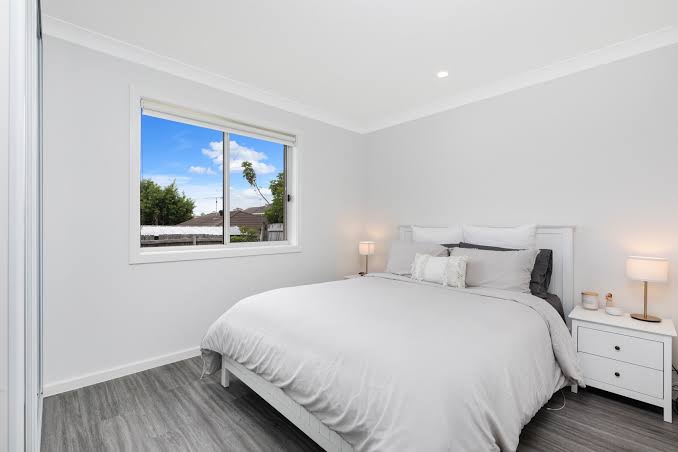
A second bedroom sounds like a straightforward upgrade: more space, more possible occupants and, perhaps, more rent. But the useful question is not whether two bedrooms are better than one. It is whether the extra room earns its place in the project, financially and practically.
For an Australian homeowner considering a secondary dwelling, that means looking beyond the headline build price. The second bedroom may change the floor plan, the size of the building and how the outdoor space works. Its value depends on who will use it, how often and what must be given up to include it.
Start with the marginal cost
Compare the total cost of a suitable one-bedroom design with the total cost of a suitable two-bedroom design on the same site. The difference is the amount the second bedroom needs to justify. A quote for extra floor area alone may miss changes to foundations, roofing, circulation, heating and cooling, or service connections. On a constrained block, fitting the larger design may also require a more expensive layout.
Ask for comparable, itemised scopes before treating any price difference as settled. Check whether each option includes site works, approvals, utility connections and the same standard of finishes. In a two-bedroom granny flat, test the whole layout. Check what happens to living space, storage and privacy once both bedrooms are in use.
There is an opportunity cost, too. More building may mean less garden, less separation from the main home or less room for parking and access. Those losses can matter even if they never appear as a line on an invoice.
Give the room a job
The strongest reason for a second bedroom is a clear, recurring use. Before asking what it might be worth to a future tenant or buyer, describe what it would do during the first few years.
- Family accommodation: It might allow a relative to stay comfortably, give a child a separate room or accommodate a carer when needed. The value here may be flexibility rather than cash income.
- Long-term rental: It may appeal to a wider range of households than a one-bedroom dwelling. Whether that produces enough additional rent depends on local demand, the quality of the whole property and the rules governing its use.
- Home work or guests: An occasional office or spare room can be useful, but occasional use may not justify a substantial extra cost on its own.
Be wary of assigning the same room several benefits at once. A bedroom reserved for family visits cannot reliably be counted as rental space at the same time. A flexible plan is valuable, but a budget should be based on uses that can actually coexist.
Test the income case without stretching it
If rental income is central to the decision, estimate the difference between what a suitable one-bedroom dwelling and a suitable two-bedroom dwelling could realistically earn in the same area. Look at comparable properties, not just asking rents. Their condition, privacy, access and outdoor space may affect the comparison as much as the bedroom count.
Then consider what remains after possible vacancies, maintenance, insurance, management costs and any additional borrowing costs. Rental returns are uncertain, and tax treatment depends on individual circumstances. An accountant or licensed financial adviser can help with questions that go beyond a simple household budget.
It is also worth testing a less favourable outcome. If the rent premium is smaller than hoped, or the dwelling is empty for a period, would the larger build still feel worthwhile? A second bedroom need not pay for itself entirely through rent if it serves an important family purpose. But that personal benefit should be named rather than hidden inside an optimistic income forecast.
Check whether the site supports the plan
A room can look inexpensive on paper until the block dictates otherwise. Setbacks, site coverage, height, access, overlooking, drainage and existing trees can all affect what fits. Requirements for secondary dwellings and their occupation or rental also vary by location. Check the relevant state or territory framework and local council requirements before relying on a particular design or income plan.
The everyday layout deserves equal attention. Can people reach the granny flat without walking through the main household’s private space? Do both homes retain reasonable light and outdoor room? Is there enough storage for the intended occupants? Two bedrooms squeezed into a poor plan may be less useful than one well-proportioned bedroom in a dwelling that feels comfortable.
Think about future use without designing around every imaginable possibility. A room that can accommodate a desk as well as a bed offers flexibility. Good access and a sensible bathroom layout may matter more to a future relative than an extra bedroom alone. The aim is a dwelling that works well for its likely occupants, not the longest possible list of hypothetical ones.
Make the decision in plain language
Before committing, write down the additional all-in cost, the most likely use of the room and the evidence supporting any expected income. Then list what the larger footprint changes for the rest of the property. This short exercise exposes a weak assumption more quickly than a polished floor plan does.
The second bedroom has earned its place when its likely benefits justify its cost and trade-offs, even under a reasonably cautious scenario. That conclusion may differ between neighbouring blocks or households with similar budgets. The right answer is not simply to build more space; it is to build space with a purpose you can explain and afford.